
Quick answer: Varicose veins are swollen, twisted veins that appear most often in the legs due to weakened vein walls and faulty valves. They’re caused by increased pressure in the veins, common triggers include pregnancy, prolonged standing, and genetics. While often harmless, varicose veins can cause pain, swelling, and skin changes. Treatment options range from compression stockings to minimally invasive procedures like sclerotherapy and laser ablation.
Varicose veins affect an estimated 1 in 3 adults at some point in their lives, yet many people don’t know why they develop or when to seek treatment. Some view them as a cosmetic nuisance. Others live with unexplained leg pain, swelling, or heaviness without realizing a vein condition is behind it.
This guide breaks down what varicose veins are, why they form, and how a vein specialist diagnoses and treats them. Whether you’re noticing your first bulging vein or you’ve been dealing with symptoms for years, understanding your options is the first step toward relief.
What are Varicose Veins?
Varicose veins are enlarged, twisted veins that typically appear blue or dark purple just beneath the skin’s surface. They form when the small valves inside veins weaken or become damaged, allowing blood to pool instead of flowing efficiently back to the heart.
Veins rely on one-way valves to keep blood moving upward against gravity, particularly in the legs. When these valves fail, blood backs up and puts pressure on the vein walls, causing them to stretch, bulge, and twist. This condition, known medically as chronic venous insufficiency, is the underlying cause of most varicose veins.
While varicose veins can develop anywhere on the body, they’re most common in the legs and feet due to the increased pressure placed on the lower body during standing and walking.
Symptoms of Varicose Veins
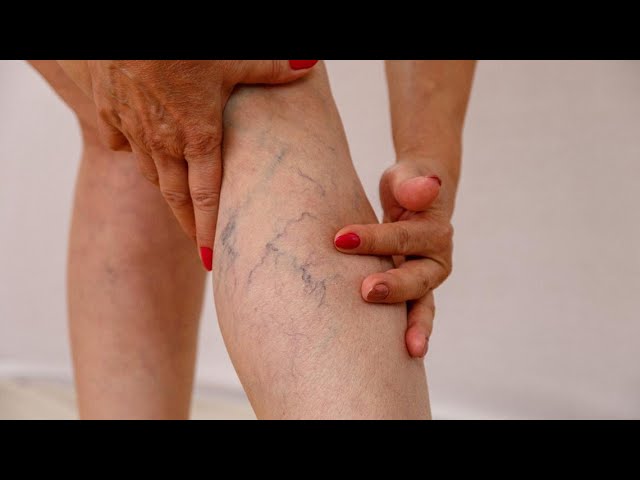
Varicose veins don’t always cause noticeable discomfort, but many people experience a range of physical symptoms alongside the visible, rope-like veins. Common symptoms include:
- Aching or throbbing pain in the legs, especially after standing or sitting for long periods
- A heavy or tired feeling in the legs
- Swelling in the ankles and feet
- Itching or irritation around the affected vein
- Muscle cramping, particularly at night
- Skin discoloration near the ankles
- Restless legs syndrome
Symptoms often worsen throughout the day and improve when the legs are elevated. If left untreated, chronic venous insufficiency can progress and lead to more serious complications, including skin ulcers and blood clots.
Request a Varicose Vein Screening
If you’re experiencing any of these symptoms, a screening can determine the underlying cause and severity of your condition. A simple, non-invasive ultrasound exam allows a vein specialist to evaluate blood flow and valve function, providing a clear picture of your vascular health. Schedule a consultation today to find out which treatment path is right for you.
¿Cuáles son las causas de las varices?
Las varices se desarrollan cuando las válvulas de las venas se debilitan o se dañan, lo que provoca que la sangre se acumule en lugar de circular correctamente hacia el corazón. Existen varios factores que pueden aumentar el riesgo de desarrollar esta condición:
- Genética: Tener antecedentes familiares de varices aumenta significativamente las probabilidades de padecerlas.
- Edad: Con el paso de los años, las válvulas venosas pierden elasticidad y eficacia.
- Embarazo: El aumento del volumen sanguíneo y la presión del útero sobre las venas pélvicas contribuyen a la aparición de varices.
- Obesidad: El exceso de peso ejerce presión adicional sobre las venas de las piernas.
- Permanecer de pie o sentado por largos periodos: Esto dificulta la circulación adecuada de la sangre.
- Sexo: Las mujeres tienen más probabilidades de desarrollar varices debido a factores hormonales.
Comprender estas causas ayuda a identificar quiénes tienen mayor riesgo y qué medidas preventivas pueden tomar.
How a Vein Specialist Diagnoses Varicose Veins
Diagnosing varicose veins starts with a physical examination, during which a vein specialist evaluates visible veins and asks about symptoms like pain, swelling, and heaviness. In most cases, the specialist will also perform a duplex ultrasound, a painless imaging test that shows how blood flows through the veins and identifies any valve dysfunction.
This ultrasound is essential for determining the extent of venous insufficiency and ruling out more serious conditions, such as deep vein thrombosis. Based on the results, the specialist can recommend an appropriate treatment plan tailored to the severity of the condition.
When Should You See a Doctor for Varicose Veins?
Not all varicose veins require immediate medical attention, but certain signs indicate it’s time to schedule an appointment. Consider seeing a vein specialist if you experience:
- Persistent leg pain, swelling, or heaviness that interferes with daily activities
- Skin changes near the ankles, such as discoloration or thickening
- Open sores or ulcers near varicose veins
- Bleeding from a varicose vein
- Sudden swelling or redness in one leg, which could indicate a blood clot
Even if symptoms are mild, early evaluation can prevent the condition from progressing and help you explore treatment options before they become more invasive.
Best Treatment Options for Varicose Veins Without Surgery
Modern vein treatment has moved far beyond traditional vein stripping surgery. Choose a minimally invasive option if you want a shorter recovery time and reduced discomfort. Common non-surgical treatments include:
- Sclerotherapy: A solution is injected directly into the affected vein, causing it to collapse and fade over time. This approach works well for smaller varicose veins and spider veins.
- Endovenous Laser Ablation (EVLA): Laser energy is used to heat and seal off the problematic vein, redirecting blood flow to healthier veins nearby.
- Radiofrequency Ablation (RFA): Similar to laser ablation, this method uses radiofrequency energy to close the vein.
- VenaSeal: A medical adhesive is used to seal the vein shut, requiring no heat or tumescent anesthesia.
- Compression Therapy: Compression stockings help improve circulation and reduce symptoms, often serving as a first-line treatment or complement to procedures.
Choose sclerotherapy if you’re targeting smaller, cosmetic veins, and consider laser or radiofrequency ablation if you’re dealing with larger, symptomatic varicose veins. A vein specialist can help determine which option best matches your specific condition.
Why Varicose Veins Happen in the Legs
Varicose veins are especially common in the legs because leg veins have to work against gravity to return blood to the heart. Every time you stand or walk, the veins in your lower body face increased pressure. Over time, this pressure can weaken vein walls and valves, particularly in people with additional risk factors like prolonged standing, obesity, or a family history of vein disease.
Calf muscles play a key role in helping push blood upward, but when circulation is already compromised, this natural pump becomes less effective. That’s why symptoms often worsen with prolonged inactivity and improve with movement or leg elevation.
Preguntas frecuentes
¿Son peligrosas las varices?
En la mayoría de los casos, las varices no representan un peligro grave para la salud, pero pueden causar molestias como dolor, hinchazón y pesadez en las piernas. En casos más avanzados, pueden derivar en complicaciones como úlceras cutáneas o coágulos sanguíneos, por lo que es importante consultar a un especialista si los síntomas empeoran.
¿Pueden desaparecer las varices por sí solas?
No, las varices no desaparecen sin tratamiento. Aunque los síntomas pueden mejorar temporalmente con medidas como el uso de medias de compresión o la elevación de las piernas, la várice en sí misma permanecerá hasta que se trate médicamente.
¿Es doloroso el tratamiento de las varices?
La mayoría de los tratamientos modernos, como la escleroterapia o la ablación con láser, son mínimamente invasivos y causan poca o ninguna molestia. Muchos pacientes describen una ligera sensación de presión o pinchazo durante el procedimiento, pero no dolor significativo.
¿Volverán a aparecer varices después del tratamiento?
Aunque el tratamiento elimina eficazmente las venas tratadas, es posible que se formen nuevas varices con el tiempo, especialmente si persisten factores de riesgo como la genética o el sedentarismo. Mantener hábitos saludables puede ayudar a reducir esta posibilidad.
¿Desaparecerán las varices después de dar a luz?
En algunos casos, las varices que aparecen durante el embarazo mejoran o desaparecen dentro de los primeros meses después del parto, a medida que el volumen sanguíneo y la presión hormonal disminuyen. Sin embargo, en otros casos, pueden persistir y requerir tratamiento.
¿Puedo tratar las varices durante el embarazo?
Generalmente, se recomienda esperar hasta después del embarazo para realizar tratamientos como la escleroterapia o la ablación con láser, ya que el cuerpo experimenta cambios circulatorios temporales. Mientras tanto, opciones como las medias de compresión pueden ayudar a aliviar los síntomas de forma segura.
¿Pueden romperse las varices durante el parto?
Aunque es poco común, existe un riesgo de que una várice se rompa debido al esfuerzo físico durante el parto. Si tienes varices significativas, es recomendable hablar con tu médico sobre estrategias para minimizar este riesgo.
Are varicose veins covered by insurance?
Insurance coverage for varicose vein treatment depends on medical necessity. If your varicose veins cause documented symptoms like pain, swelling, or skin changes, most insurance plans will cover diagnostic testing and treatment. Purely cosmetic treatment, such as for spider veins with no underlying symptoms, is typically not covered.
Do varicose veins mean I have a heart problem?
Varicose veins are a vein condition, not a heart condition. They result from weakened valves in the veins themselves rather than issues with the heart’s function. That said, chronic venous insufficiency shares some risk factors with cardiovascular disease, such as obesity and inactivity, so maintaining overall vascular health is still worthwhile.
We can correct bulging Varicose Veins!
Varicose veins don’t have to be something you simply live with. From understanding the early symptoms to exploring non-surgical treatment options, taking action early can prevent complications and restore comfort to your daily life.
If bulging, painful, or unsightly varicose veins are affecting your quality of life, effective treatment is within reach. A qualified vein specialist can evaluate your condition and recommend a personalized plan, whether that means compression therapy, sclerotherapy, or a minimally invasive procedure like laser ablation.
Don’t wait for symptoms to worsen. Schedule a consultation today and take the first step toward healthier, pain-free legs.